
Augmented Reality and Data Analytics: Transforming the Retail Experience
The retail landscape is undergoing one of the most dramatic shifts in its history. Consumer expectations are evolving rapidly, shaped by digital convenience, on-demand service, and personalized interactions. Retailers, in turn, are forced to innovate, not just to survive, but to stay relevant. Two technologies are emerging at the forefront of this evolution: Augmented Reality (AR) and Data Analytics.
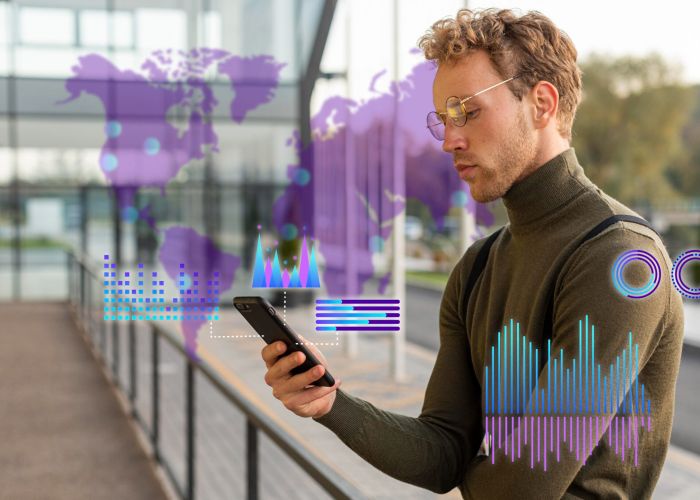
Separately, these tools offer powerful capabilities. Together, they form a compelling duo that is redefining the way people shop and the way businesses sell. By merging immersive digital experiences with deep data-driven insights, forward-thinking retailers are crafting more engaging, efficient, and effective customer journeys. This article explores how AR and data analytics are combining to create smarter retail environments, enhance the customer experience, and drive better business outcomes.
The Rise of Experiential Retail
Modern consumers are no longer satisfied with simply buying products; they expect to experience them. The concept of experiential retail is about creating meaningful, memorable interactions that go beyond the transaction. This is where Augmented Reality steps in.
AR bridges the gap between the physical and digital worlds, allowing customers to interact with products in a more immersive and informed way. Whether it’s previewing furniture in their living room, trying on clothes virtually, or navigating stores with digital overlays, AR enables shoppers to make decisions with greater confidence and ease.
However, immersive experiences alone are not enough. What turns these digital interactions into strategic assets is the data behind them. This is where data analytics becomes indispensable, collecting, processing, and interpreting the mountains of information generated by every click, swipe, view, and virtual try-on.
Augmented Reality in Retail: A Closer Look
Augmented Reality is not new, but its application in retail has matured significantly. Early AR experiences were often gimmicky or isolated, think flashy mirror displays in flagship stores or basic product visualizers. Today, AR is becoming a core component of omnichannel retail strategy.
How AR Enhances the Shopping Journey:
- Virtual Try-Ons: Apps like Warby Parker and Sephora allow users to see how products look on them without visiting a store. This not only improves convenience but also reduces return rates.
- Product Visualization: IKEA Place, for example, enables users to virtually place furniture in their homes at scale, enhancing purchase confidence.
- In-Store Navigation: AR can help customers find products, learn more about items, or access real-time promotions simply by scanning their surroundings with a mobile device.
- Interactive Packaging: Some brands now offer AR experiences tied to product packaging, turning a static box into a storytelling tool.
All of these experiences generate valuable data. And this is where data analytics takes over.
The Data Behind the Display
Every AR interaction is a data point. By analyzing how users engage with AR features, retailers can gain granular insights into customer behavior that traditional analytics might miss.
Imagine being able to know not just what products a customer searched for, but how they interacted with those products in a simulated real-world environment, how long they looked at an item, whether they tried it on, what features they explored, and what they ignored.
Types of Insights AR Data Can Provide:
- Engagement Metrics: Time spent interacting with a product in AR, which products are most tried-on or visualized.
- Behavioral Patterns: Which items users often try together, how interactions vary by region, time of day, or device type.
- Conversion Analysis: Which AR experiences lead to purchases, and where drop-offs occur in the virtual shopping journey.
- Sentiment Tracking: When integrated with voice, gesture, or facial recognition (with permission), AR can help measure customer emotion and interest levels.
This data can then be fed into advanced analytics systems, leveraging machine learning to detect patterns, predict behavior, and personalize future experiences.
Transforming Retail Strategy with AR + Analytics
The synergy between AR and data analytics offers both front-end and back-end benefits for retailers.
1. Personalized Customer Experiences
By merging AR with real-time data, retailers can create dynamic, context-sensitive experiences. For example, a fashion app can suggest outfits based on a user’s recent browsing history, local weather, or even upcoming events on their calendar. A beauty app might recommend skincare routines tailored to someone’s skin type and previous purchases.
These micro-personalized experiences build stronger emotional connections with brands and improve customer satisfaction.
2. Intelligent Merchandising and Inventory Management
AR usage patterns can reveal demand signals that don’t yet show up in sales data. If a product is frequently viewed or virtually tried on but rarely purchased, that’s a clue for further investigation, perhaps the price is too high, the AR rendering is unflattering, or the description lacks detail.
This kind of insight allows retailers to:
- Adjust inventory levels in anticipation of demand
- Refine visual assets and product pages
- Optimize product placement both online and in-store
3. Smarter Store Layouts and Navigation
In physical stores, AR-enabled apps can guide customers to the items they need, offer on-the-spot product comparisons, or showcase bundle deals. Meanwhile, analytics can track in-store AR usage to reveal high-traffic areas, dwell times, and navigation patterns. This data can inform everything from shelf placement to staffing decisions.
4. Marketing That Actually Resonates
Data from AR interactions can enhance marketing campaigns with far more precision. Brands can target customers not just based on what they’ve bought, but on what they’ve engaged with. For example, a customer who spent several minutes interacting with AR cosmetics but didn’t buy might be retargeted with a promotion or an educational video the next day.
Challenges to Consider
Despite its promise, the integration of AR and data analytics is not without its hurdles.
1. Privacy and Consent
AR often relies on access to cameras, location, and personal data. Retailers must be transparent about data usage, obtain explicit consent, and comply with regulations like GDPR and CCPA. Building trust is essential, no one wants to feel like they’re being watched while shopping.
2. Infrastructure and Investment
AR and analytics platforms require substantial investment in technology, talent, and systems integration. This may be a barrier for small to mid-sized retailers, though the growing ecosystem of SaaS AR platforms is helping to lower the bar.
3. Cross-Platform Compatibility
Ensuring a consistent AR experience across devices, operating systems, and retail environments is technically complex. It requires coordination across development teams, marketers, and data scientists.
4. Human Factors
Not all customers are eager adopters of AR. While younger demographics tend to embrace it, others may need guidance or incentives to engage. Design, usability, and education play crucial roles in adoption.
Looking Ahead: The Future of Retail
As AR hardware becomes more wearable (think AR glasses) and AI-driven analytics become more accessible, we can expect the integration between these technologies to deepen. Retailers may soon offer:
- Virtual personal shoppers who guide customers through entire purchase journeys based on real-time preferences and behaviors
- Fully personalized virtual stores where every product, price, and promotion is tailored to the individual user
- Predictive AR interfaces that suggest items before the customer even realizes they want them
These are not science fiction scenarios. They are on the horizon, and early adopters are already experimenting with the building blocks.
Conclusion: Rethinking Retail from the Ground Up
The convergence of Augmented Reality and Data Analytics is a reimagination of what shopping can be. It allows brands to deliver richer, more meaningful customer experiences while gathering powerful insights to guide every aspect of their business, from supply chain to storefront.
For retailers, this is an opportunity to step out of the transactional mindset and step into the experiential age, where every interaction is engaging, every recommendation is intelligent, and every decision is data-driven.
Retail is no longer just about selling products. It’s about telling stories, solving problems, and building relationships. And with AR and analytics working hand in hand, retailers now have the tools to do all three, better than ever before.